Designing new business model options and cultivating a ‘culture of innovation’
Key Tools:
Virtual Summits & Events
Strategic Planning & Innovation
Learning & Development
The Challenge
The HEOR group at this multi-national pharmaceutical organization have two challenges that we are tackling together:
1.) How can we accelerate a ‘culture of innovation’ where people creatively approach challenges and work more experimentally?
2.) How can we build a pipeline of new business model options to create value in new ways?
With a community of highly credentialed economists, researchers and scientists, we wanted to inspire new ways of creating value for internal partners and to move mindsets more towards proactive innovation. Key areas were identified by senior leadership to begin the journey with a select cohort:
Data and Real World Evidence
Patient Engagement
Enhancing the Payer Relationship
What We Did
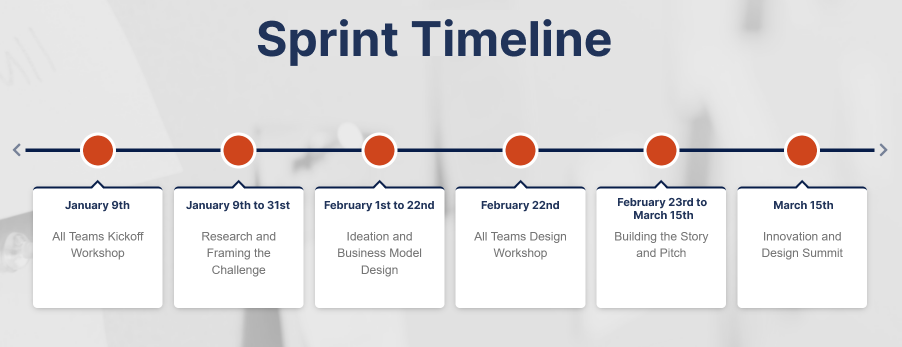
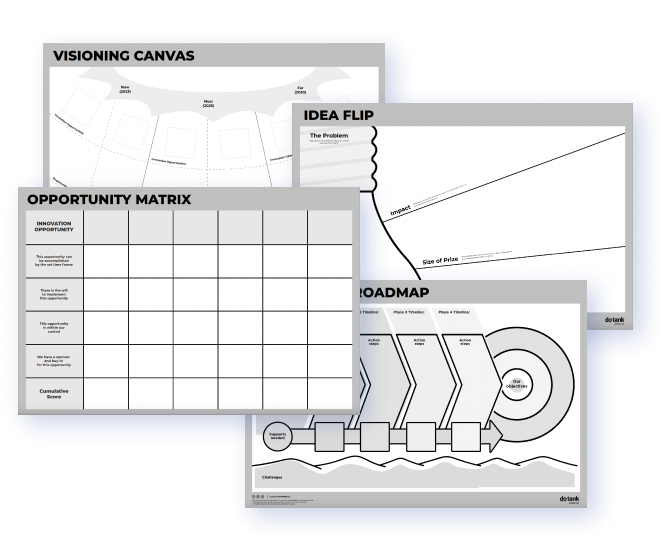
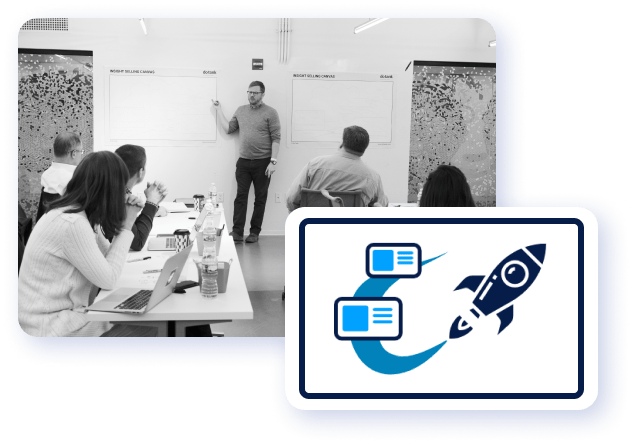
We identified 15 people (three teams of five) to participate in a three-month design sprint around the three themes listed above. By upskilling the participants of the sprint on human-centered design and innovation techniques (through applied learning on real projects), we encouraged this small group of people to use these tools and skills with their peers in their daily work.
As with so many large scale change initiatives, it isn’t feasible to give everyone the same experience. If everyone in this 100+ person HEOR community embarked on a design sprint (with weekly coaching sessions, prototype builds, time spent on field research, etc.) it would have been way too expensive and distracting to the core function of the business unit. We decided to ‘segment the audience’ and create different experiences for groups over time.
While this sprint was underway, we used it as a ‘real time case study’, telling the story to the broader community as we progressed. The goal was to inspire peers through storytelling and spark demand for participation in future innovation. Key elements included:
Regular ‘check points’ where senior leaders could evaluate progress and align the work with organizational strategy
Interviews with peers to evaluate compliance and feasibility of their concepts
Research via academic and peer reviewed publications to support problem definition and hypothesis justification
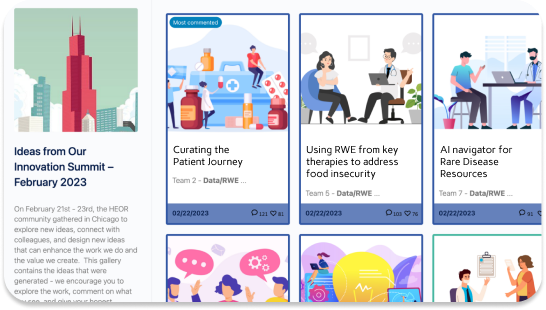
Internal sharing of the evolving prototypes (via a digital ‘marketplace’ that encouraged commenting and interaction)
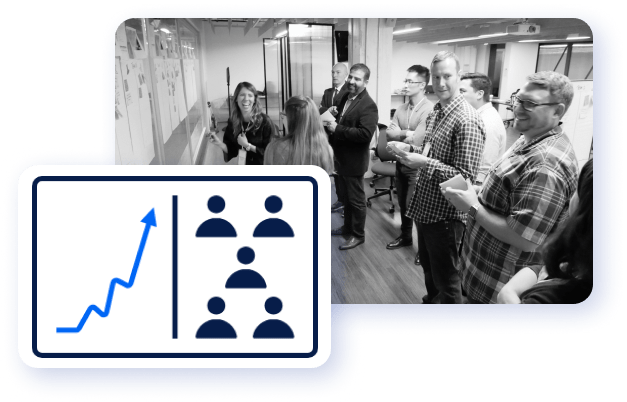
Engaging people outside of the sprint teams was essential to address the first objective of the work: cultivating a ‘culture of innovation’. In addition to bringing the larger community into concept testing, we designed an Innovation Summit where 80 people would convene in-person to experience new tools and create dozens of new business model concepts.
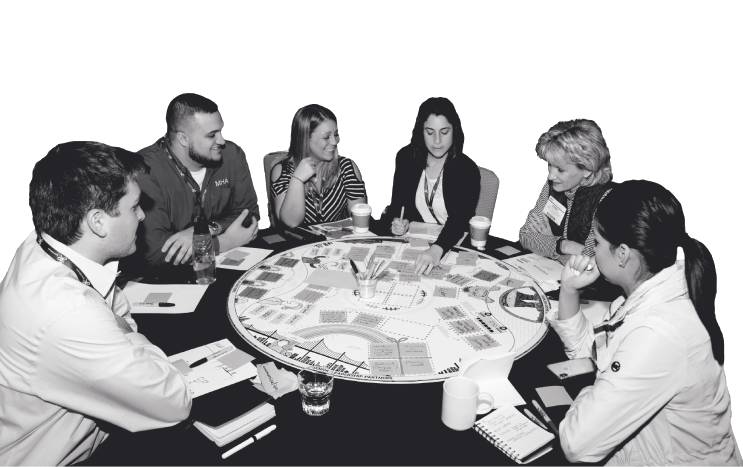
At the Innovation Summit, we led the 80 people in attendance through a workshop on human-centered design. They used some of the tools that their colleagues used in the sprint; they contemplated customer needs; they built very early stage conceptual prototypes that were uploaded to the digital innovation hub that Do Tank built to support this ongoing initiative.
The Results
We continue our own journey with this client, with multiple concepts advancing to higher fidelity prototypes currently in testing. By segmenting the audience (giving sub-groups different experiences and roles to play) and working on real projects (which enhances the value of outputs and increases engagement), we continue to upskill people, create new configurations of collaboration, and build the pipeline.
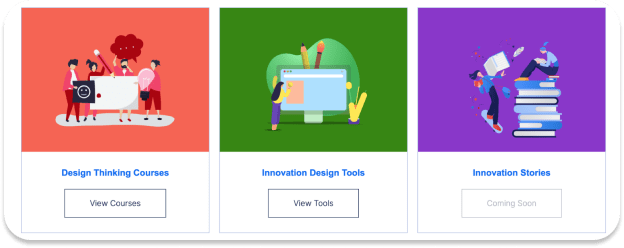
The HEOR Innovation Hub is a current internal resource that has on-demand training content, idea management for new concepts, prototypes from the sprint, and a host of other features.
1. Tools and Skills
First and foremost, it was designed to equip each Sprint Team with a comprehensive set of valuable tools as they embarked on their three-month design sprint. This ensured they had the necessary resources to tackle their challenges effectively.
2. Team Collaboration
The platform served as a central digital workspace for each sprint team, acting as a central ‘source of truth’ throughout their design sprint journey. It provided a consistent and reliable space where team members could collaborate seamlessly and stay aligned as their project progressed at a rapid pace.
In addition to fostering collaboration, the platform facilitated support and control over the ideation process. Through the feature of idea management, teams had the opportunity to track, consolidate, and refine a wide range of ideas and concepts. This helped them harness the collective creativity within their team and identify the most promising solutions.
3. Validation & Testing
Once the ideas were developed into conceptual prototypes, the platform acted as a test bed for concept validation. Each team could share their primary concepts across the organization and receive rapid digital validation (what did the target audience like, dislike, find missing/confusing?).
This enabled them to gather valuable feedback and insights that were used to iterate the idea and build an improved version.
4. Data & Insights
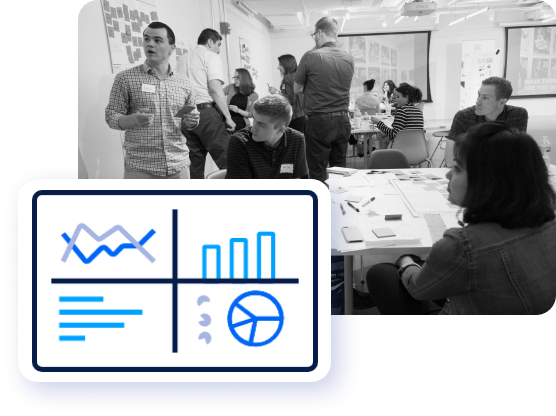
The platform provided comprehensive data insights for each sprint team. It offered a deep understanding of the sprint’s success, the level of validation achieved, and the extent of customer reach. These insights empowered teams to make informed decisions before launching the next phase of their Sprint.
The hub also provided engagement data to leadership and a quick-glance understanding of where the teams were on the journey. One of the advantages of digitally enabled sprints is the transparency and metrics that are generated.